Recess Isn't a Reward. It's a Requirement.
At some point around seventh grade, you stopped playing. Not on purpose. It just got crowded out by practice, then homework, then a job, then a lease. Play got reclassified as something you earn — a Saturday, a vacation, a long weekend you spend recovering from the other fifty weeks.
That's a bad trade. And the research on this is unusually consistent: play isn't a break from development. It's part of it. Animal studies going back decades have found that young mammals deprived of play develop social and problem-solving deficits that don't show up until the stakes get real. The human version of that story is not subtle.
The definition worth stealing: play is the mode of behavior where the point is the behavior. No deliverable. No optimization. No posting.
The Seven Kinds of Play
Most people hear "play" and picture one thing — a hobby, or a sport, or something expensive. It's much wider than that, and some of the best versions cost nothing.
1. Physical play
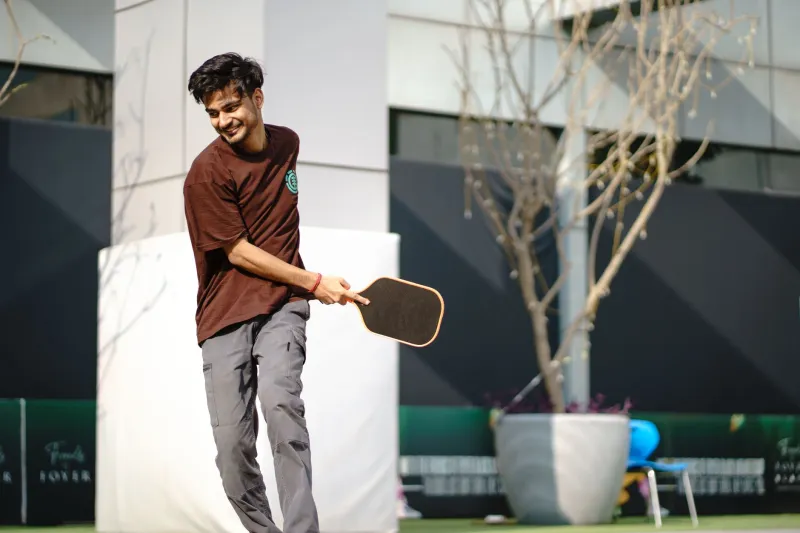
Pickleball with people who are worse than you. A rec-league kickball team. Biking somewhere with no destination. Shooting hoops badly in a park for twenty minutes. The body goes first and the mood follows.
2. Creative play
The rule that makes this work: no output. This is not a side hustle. Paint a genuinely bad watercolor. Learn three chords and refuse to learn the fourth. Write something nobody will read, including you.
3. Social play
Trivia night. Karaoke. Board games. Cornhole. The common thread is shared rules and low stakes, with a mild risk of public embarrassment. That risk is the fun part.
4. Imaginative play
The one adults are most self-conscious about. Daydream on purpose. Plan a trip you'll never take. Doodle a floor plan for a house you'll never build. Find a tabletop game. Start thinking about a Halloween costume in September. All of it counts.
5. Sensory play
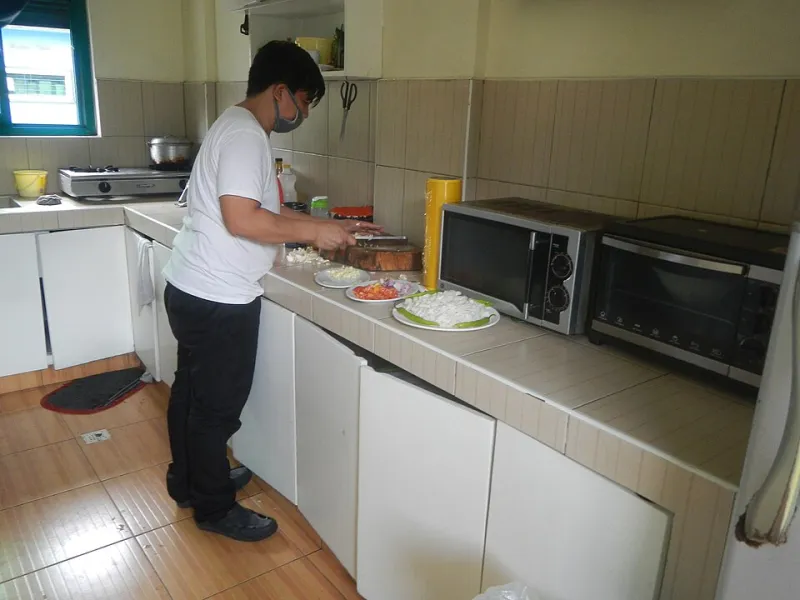
Wildly underrated. Cooking something fiddly with your hands. Gardening until there's dirt under your nails. Music at a volume that's probably inadvisable. Play is not only cognitive — sometimes the entire point is texture, sound, and heat.
6. Competitive play
Fantasy football. Mario Kart. Poker night. A chess clock and a grudge. The trash talk is the actual point; the win is secondary. This is one of the few forms of play adults still permit themselves, usually because it has a scoreboard and therefore passes as serious.
7. Aimless play
The hardest one to defend and the one you need most. Wandering. Skipping stones. Browsing a hardware store with no project. Doodling during a call. No goal, no improvement, no story to tell afterward.
Why This Isn't Optional
Play loosens fixed thinking. When you're absorbed in something with no stakes, you try things you wouldn't try in front of a client or a boss, and that habit of trying transfers back to the serious stuff. It's one of the few mental states where you're fully engaged without being anxious, which is a combination a lot of adults haven't felt since roughly 2016.
It's also how adults make friends. Sideways, doing a thing, not face to face over a scheduled coffee. And it protects your identity from collapsing into your job title, which is a fate that sneaks up on people who were once extremely good at tag.
Four Rules That Keep Play From Becoming Work
Don't upgrade the equipment. Not until you've played ten times. The gear is where joy goes to die.
Time-box it. Twenty minutes is plenty and it makes the whole thing possible. If your brain insists it needs a purpose, tell it the purpose is the twenty minutes.
Play with people who are worse than you, or who don't care. Skill anxiety is the number one entry barrier for adults. Find people who are too busy laughing to keep score.
No documentation required. You do not have to post it. You do not have to mention it. The moment an activity starts generating content, it starts generating pressure.
Start With Ten Minutes
Do one small, pointless thing today. Not a new routine, not a wellness practice, not a habit you'll track on an app. Ten minutes of something that has no second act.
You are not too old. You've just been told, repeatedly and by people with agendas, that everything should count for something. Recess never needed to count. That was the whole reason it worked.