Your Space Is Talking — Are You Listening?
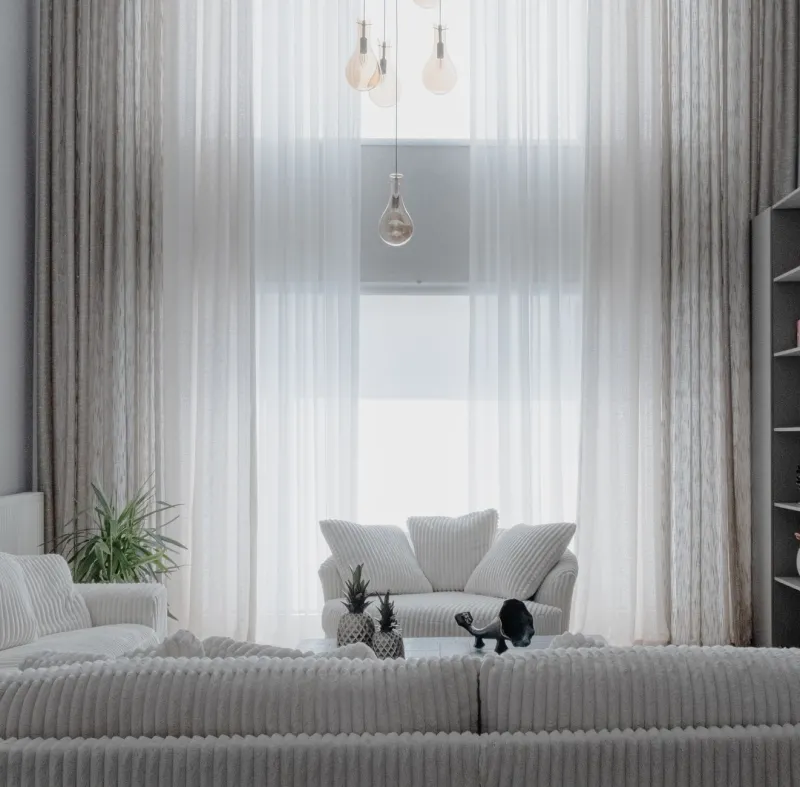
The Room That Sets the Tone
Most of us spend a lot of time thinking about how we want to live — more intentionally, more productively, more peacefully. We journal. We set alarms. We download apps. But there's a design element we consistently overlook: the physical spaces we move through every single day.
Your home isn't neutral. Every color on the wall, every piece of furniture placed (or misplaced), and every cluttered corner is sending signals to your brain — signals that either support your goals or quietly work against them.
"Space is a silent communicator," says interior designer Maya Castillo, whose Austin-based studio specializes in what she calls 'intentional interiors.' "People come to me because they feel stuck or scattered, and nine times out of ten, their home is reflecting that back to them."
This isn't woo-woo thinking. It's behavioral science.
What the Research Actually Says
Environmental psychology has been building a compelling case for decades. Studies out of Princeton University found that visual clutter competes for your attention, reducing your brain's ability to focus and process information. A messy entryway, a dining table covered in mail, a bedroom that doubles as a home office — these aren't just aesthetic problems. They're cognitive ones.
Dr. Leah Torrance, a behavioral psychologist based in Chicago who consults with both corporate and residential clients, explains it this way: "We talk a lot about decision fatigue — the idea that the more choices we make throughout the day, the worse our decision-making gets. Your environment either adds to that cognitive load or reduces it. And most people's homes are adding to it without them realizing."
The good news? Small, intentional changes to your space can produce outsized shifts in how you feel and function.
Color Is More Than Decoration
Let's start with what's probably the most underestimated design tool in your home: color.
Research in color psychology suggests that different hues activate different psychological states. Blues and greens tend to lower cortisol levels and promote calm focus — which is why they're smart choices for home offices or reading nooks. Warm yellows and oranges can stimulate conversation and energy, making them well-suited for kitchens and dining rooms where you want connection. Deep, saturated tones like navy or forest green in a bedroom can create a sense of cocooning that supports rest.
But here's where it gets personal. "Color response isn't one-size-fits-all," Castillo notes. "I always ask clients what a color feels like to them before I recommend it. Someone who grew up in a bright yellow childhood home might find that color energizing. Someone else might find it anxious-making. Intention matters more than trend."
The takeaway: before you repaint a room, ask yourself what feeling you want that space to generate. Then choose accordingly.
Furniture Layout and the Flow of Daily Life
Where you place your furniture determines how you move through your home — and movement patterns are deeply tied to habit formation.
Consider this: if your couch faces directly at your television, you've essentially designed a room that defaults to passive consumption. That's not a moral judgment — sometimes you want to decompress in front of a show. But if your intention is to read more, have more meaningful conversations, or even just stretch in the morning, your layout might be working against you.
Try what designers call a "conversation arrangement" — seating that faces each other rather than a screen. Add a small side table with a book you're reading. Put your yoga mat somewhere visible, not rolled up in a closet. These aren't radical renovations. They're environmental nudges.
Dr. Torrance calls this "choice architecture at home." "We think our habits come from willpower," she says, "but a lot of the time they come from what's easiest in our environment. Make the intentional choice the easy choice, and you've done a lot of the heavy lifting already."
The Entryway: Your Daily Reset Button
If there's one space that tends to be criminally underdesigned, it's the entryway. In most American homes, it's where shoes pile up, bags get dropped, and the chaos of the outside world first collides with the sanctuary of home.
But it can be something else entirely.
"I tell every client to treat their entryway like a decompression chamber," says Castillo. "It's the transition zone between your public life and your private one. Design it with that in mind."
Practical ideas: a small bench for a mindful moment of sitting and removing shoes (a physical pause that signals 'I'm home now'). A hook for tomorrow's bag, already packed. A small plant or piece of art that you genuinely love — something that makes you smile when you walk in. A simple tray for keys and wallet that eliminates the daily 'where did I put it?' spiral.
None of this is expensive. All of it is intentional.
Actionable Shifts You Can Make This Weekend
You don't need a full renovation to start designing with intention. Here are five accessible changes that can meaningfully shift how your home supports your life:
1. Audit one room for friction. Walk through your living room or bedroom and notice what annoys you, slows you down, or makes you feel vaguely bad. That friction is costing you energy every day.
2. Create a 'launch pad.' Designate a spot near your door for everything you need in the morning — bag, keys, jacket, earbuds. Decision fatigue drops when mornings have less scrambling.
3. Introduce one natural element. A plant, a stone, a bowl of fruit. Research consistently links natural elements in interior spaces to reduced stress and improved mood.
4. Rethink your nightstand. What's on it sends a message to your brain about what bedtime is for. If your phone is there, scrolling is the default. Try swapping it for a book, a journal, or even just a glass of water.
5. Designate a 'thinking chair.' One comfortable seat with no screens nearby. A place to just... sit and think. It sounds simple because it is. That's the point.
Designing a Life You Actually Want to Live
At its core, intentional interior design isn't about aesthetics. It's about alignment. When your space reflects your values and supports your goals, something quietly shifts — you stop fighting your environment and start working with it.
Your home is already shaping you. The only question is whether you're shaping it back.